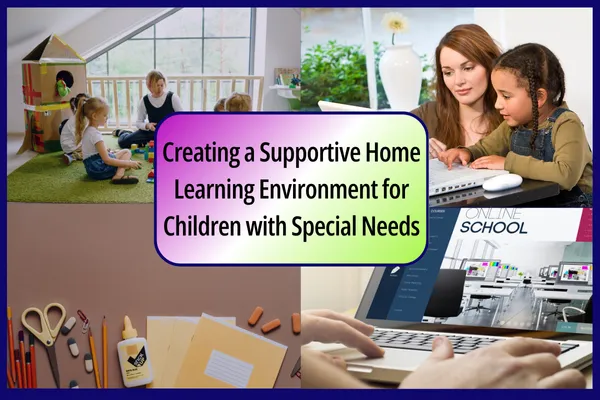
Creating a Supportive Home Learning Environment for Children with Special Needs
In today's educational landscape, children with special needs require tailored approaches to ensure they thrive academically and emotionally. One of the most crucial spaces where these children can flourish is the home. While schools play a significant role in their development, the home learning environment is equally vital for reinforcing lessons, developing essential skills, and nurturing the child's overall growth.
Creating a supportive home learning environment for children with special needs can seem daunting, but with the right strategies and mindset, parents and caregivers can cultivate an atmosphere that fosters success. This article delves into practical ways to set up an effective home learning environment for children with special needs.
Understanding the Importance of the Home Learning Environment
The home environment is where children spend the majority of their time, particularly after school hours. For children with special needs, the home serves as a space where they can engage in learning activities at their own pace, receive individualized attention, and develop skills that might be challenging to address in a traditional classroom setting. A well-organized and supportive learning space can help minimize distractions, improve focus, and encourage independence.
Moreover, a supportive home learning environment provides emotional security, which is fundamental for children with special needs. It helps reduce anxiety, builds confidence, and strengthens the bond between the child and their caregivers. The emotional and psychological support children receive at home can complement their academic progress and ensure a holistic approach to their development.

1. Create a Structured and Consistent Routine
Children with special needs, particularly those with autism spectrum disorder (ASD), ADHD, or learning disabilities, often thrive in environments where routines are predictable and structured. Predictability helps reduce anxiety and allows children to focus on the task at hand rather than becoming overwhelmed by unexpected changes.
To create a structured routine, consider the following:
Set a daily schedule: Develop a consistent daily schedule that includes designated times for studying, breaks, meals, and recreational activities. Visual schedules, such as charts or calendars, can be helpful for children who benefit from seeing tasks in a visual format.
Use timers: Implement timers for specific activities, such as study sessions or playtime. Timers can help children manage transitions between tasks and improve their time management skills.
Break tasks into smaller steps: Children with special needs may find long tasks intimidating. Breaking assignments into manageable chunks can make the learning process less overwhelming and more achievable.
Offer regular breaks: It's essential to incorporate breaks into the routine. Breaks help children recharge, refocus, and prevent burnout. Ensure that break times are used for activities that help them relax, such as stretching, breathing exercises, or a favorite hobby.
2. Organize the Learning Space
A cluttered or chaotic environment can be distracting and counterproductive for children with special needs. A well-organized and calm learning space can promote concentration, reduce anxiety, and encourage a sense of independence. Here’s how you can set up a functional learning area:
Choose a quiet, dedicated space: If possible, designate a specific area in your home as the learning space. It should be quiet, well-lit, and free from distractions like loud noises or television.
Create a sensory-friendly space: Children with sensory processing challenges may benefit from a sensory-friendly learning area. This might include soft lighting, noise-canceling headphones, or sensory toys to help the child stay calm and focused.
Use clear organization systems: Organize learning materials, such as books, stationery, and educational tools, into labeled bins or shelves. Clear organization helps children find what they need independently and reduces stress.
Ensure accessibility: Arrange materials within easy reach of the child. This allows them to take ownership of their learning and fosters a sense of responsibility and independence.
3. Utilize Visual Aids and Learning Tools
Visual aids are incredibly beneficial for children with special needs, particularly those who struggle with reading comprehension or processing verbal instructions. Visual supports can make abstract concepts more tangible and easier to understand.
Some effective visual aids and learning tools include:
Charts and diagrams: Use charts, diagrams, and pictures to represent information. For instance, you can create visual math problems or word maps to reinforce learning.
Flashcards: Flashcards can help children with memory retention, vocabulary building, and practicing math facts. You can create flashcards with pictures or words, depending on the child’s needs.
Color-coded materials: Color-coding materials such as binders, folders, or notebooks can help children stay organized and differentiate between subjects or tasks.
Interactive learning apps: There are numerous educational apps designed specifically for children with special needs. These apps use engaging visuals and interactive elements to reinforce learning in a fun and personalized way.
4. Foster Independence and Self-Advocacy
A key goal in supporting children with special needs is to help them develop independence. Encouraging self-advocacy and teaching problem-solving skills at home can empower children and boost their confidence.
Here are some ways to foster independence:
Promote self-help skills: Help children with everyday tasks like dressing, feeding, or organizing their belongings. These tasks may require more time and patience, but mastering them builds self-confidence and life skills.
Teach decision-making: Allow children to make choices in their learning and daily activities. Whether it's picking out which book to read or choosing a break activity, giving them control over small decisions fosters a sense of autonomy.
Encourage problem-solving: If a child encounters a challenge, guide them through the process of finding a solution. Ask open-ended questions and encourage them to think critically about different ways to tackle problems.
Provide opportunities for self-reflection: Encourage children to reflect on their progress and challenges. This can be done through journaling or discussions about what worked well and what could be improved in their learning routine.
5. Use Positive Reinforcement and Motivation
Positive reinforcement is a powerful tool for encouraging desired behaviors and motivating children with special needs. Celebrating small achievements and reinforcing positive behavior can enhance their self-esteem and foster a love for learning.
Set clear goals and rewards: Help children set achievable learning goals and reward them when they accomplish them. Rewards could include verbal praise, stickers, or extra playtime.
Offer frequent praise: Children with special needs may need more frequent encouragement. Offer specific praise for efforts and accomplishments, even small ones, to motivate continued progress.
Make learning fun: Incorporate games, hands-on activities, or educational toys into learning sessions to make them more enjoyable. For instance, educational board games or scavenger hunts can add an element of play to studying.
6. Emphasize Emotional and Social Development
Children with special needs often require additional emotional and social support to build resilience and healthy relationships. A supportive home environment that focuses on emotional well-being can make a significant difference in their overall development.
Create an open communication environment: Encourage children to express their thoughts, feelings, and concerns. A non-judgmental space where they feel heard and understood can reduce anxiety and foster trust.
Promote social skills: Engage in activities that teach social skills, such as role-playing or group activities with siblings or peers. These exercises can help children develop essential social competencies.
Focus on self-regulation: Teaching children how to manage their emotions, whether it's through breathing exercises, mindfulness activities, or simple relaxation techniques, can help them navigate challenging situations more effectively.
7. Collaborate with Professionals and Educators
Lastly, one of the most important aspects of supporting a child with special needs at home is collaborating with educators, therapists, and other professionals. They can provide valuable insights into the child’s specific learning needs and suggest strategies for improving their academic and social skills.

Regular communication with teachers: Keep in touch with the child’s teachers to stay informed about their progress, challenges, and specific learning goals.
Therapeutic support: If applicable, ensure that the child is receiving necessary therapy services, such as speech therapy, occupational therapy, or behavioral therapy. These therapies can complement home learning efforts and support the child's overall development.
Attend support groups or workshops: Joining support groups for parents of children with special needs can provide a network of resources, shared experiences, and practical tips.
Conclusion
Creating a supportive home learning environment for children with special needs requires patience, creativity, and a willingness to adapt. By providing structure, emotional support, and the right tools, parents and caregivers can help children with special needs develop the skills and confidence they need to succeed. A home learning environment that nurtures academic, emotional, and social growth can be a cornerstone of success for children with special needs, empowering them to reach their full potential.